Siding Experts Oakland: Vinyl vs. Fiber Cement — Which One Truly Wins?
Siding Experts Oakland: Vinyl vs. Fiber Cement — Which One Truly Wins?
4, Jul 2025
Siding Experts Oakland: Vinyl vs. Fiber Cement — Which One Truly Wins?
Every home tells a story long before anyone steps through the front door. The roof sketches its silhouette against the sky, the windows reveal its personality, and the siding quietly communicates its age, care, and character. Choosing exterior materials is therefore never simply a construction decision—it is an architectural commitment that will shape how a home weathers seasons, welcomes visitors, and protects the family inside for decades.
For homeowners seeking guidance from Siding Experts in Oakland, the conversation often returns to two materials that dominate modern residential remodeling: vinyl siding and fiber cement siding. At first glance, the comparison appears straightforward. One promises affordability and simplicity, while the other offers remarkable durability and refined craftsmanship. Yet the deeper one explores, the more apparent it becomes that the decision extends far beyond product specifications.
The right siding should not simply survive the climate—it should quietly enrich everyday life while preserving the architectural integrity of the home.
“Exceptional exteriors are never defined by appearance alone. Their true beauty lies in how gracefully they protect, endure, and mature over time.”
Chapter One: Looking Beyond the Surface
Oakland presents homeowners with a fascinating architectural landscape. Historic Craftsman residences stand beside sleek contemporary homes, while Mediterranean influences blend naturally with modern minimalist design. This diversity means that siding is never merely decorative. It becomes the visual language that allows each property to belong naturally within its surroundings.
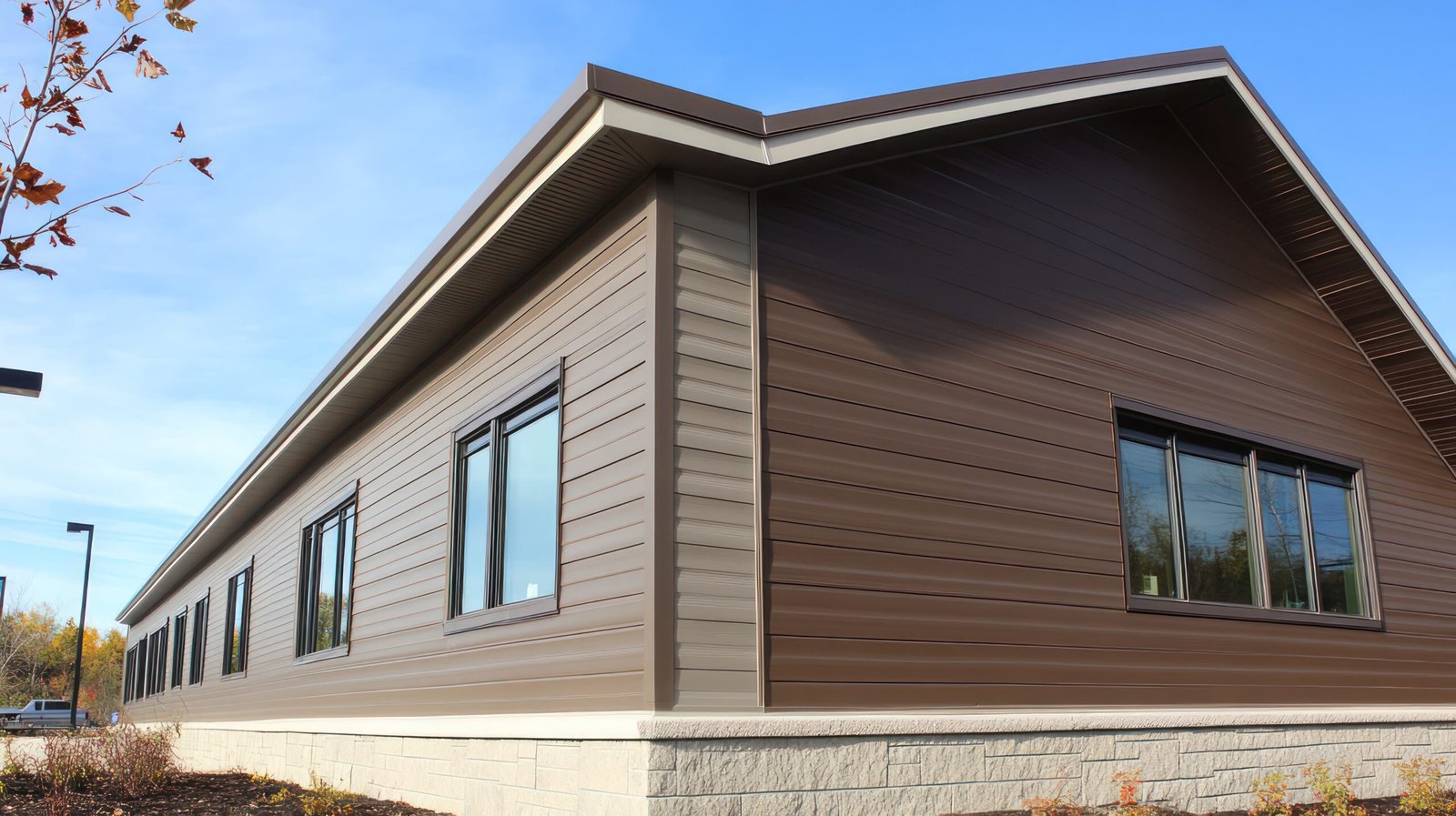
Vinyl siding has evolved dramatically over recent decades. Early generations often appeared artificial, with glossy finishes and limited color selections. Today’s manufacturing processes have significantly improved texture, dimensional depth, and color stability. Modern vinyl can successfully imitate traditional wood lap siding while requiring relatively little maintenance. For homeowners managing renovation budgets carefully, this evolution has made vinyl an increasingly attractive option.
Yet architecture is often measured not by first impressions alone but by lasting authenticity. Fiber cement siding has earned its reputation precisely because it recreates the richness of natural materials while avoiding many of their vulnerabilities. Its textured surface captures changing daylight in subtle ways, allowing homes to appear warm during bright afternoons and elegant beneath Oakland’s familiar coastal fog.
Design succeeds when materials become almost invisible, allowing the home’s proportions, craftsmanship, and personality to speak first.
The distinction between these two products is therefore philosophical as much as practical. Vinyl emphasizes convenience and accessibility. Fiber cement emphasizes permanence and architectural refinement. Neither philosophy is inherently right or wrong. Instead, each reflects different homeowner priorities, lifestyles, and long-term expectations.
Chapter Two: The Quiet Test of Time
Every exterior eventually encounters its greatest examination—not during installation, but through years of changing weather. Morning moisture settles gently across walls. Summer sunlight expands materials hour after hour. Winter storms challenge joints, fasteners, and finishes that may have seemed flawless on the day construction ended.
This slow passage of time reveals the fundamental character of every siding material.
Vinyl performs admirably in many residential environments. It resists moisture exceptionally well and generally requires little more than occasional cleaning to preserve its appearance. For many homeowners, this simplicity represents tremendous value. Less maintenance often means fewer weekend projects and lower ongoing expenses.
However, ease sometimes arrives with limitations. Extended ultraviolet exposure can gradually diminish color vibrancy, while severe impacts may crack individual panels. Repair often involves replacing damaged sections rather than restoring them.
Fiber cement follows a different philosophy entirely. Engineered from cement, sand, and cellulose fibers, it was designed to remain remarkably stable despite dramatic environmental changes. It resists insects, moisture, fire, and temperature fluctuations with a confidence that appeals particularly to homeowners planning decades—not merely years—ahead.
Longevity is not measured only by how long materials survive, but by how consistently they continue performing without demanding constant attention.
Maintenance reflects this same balance. Vinyl generally asks for less routine care, while fiber cement may eventually require repainting to maintain its original finish. Yet repainting often becomes an opportunity to refresh a home’s appearance rather than a response to structural deterioration. Beneath the surface, the material itself continues performing with remarkable consistency.
Cost naturally enters every remodeling discussion. Vinyl typically offers lower installation expenses because it is lighter and easier to handle. Fiber cement requires greater installation expertise and more labor-intensive craftsmanship, resulting in higher initial investment. But viewed across decades of ownership, many homeowners discover that durability, fire resistance, and premium curb appeal provide meaningful long-term returns.
Chapter Three: Building for Tomorrow Rather Than Today
Perhaps the most meaningful question is not, “Which siding is better?” Instead, it is, “Which siding best reflects how I want my home to serve my family for the next thirty years?”
Every remodeling project ultimately becomes an investment in everyday life. Children grow up beneath these walls. Holidays are celebrated behind these facades. Neighbors form first impressions that often last for generations. Exterior materials quietly witness each chapter while asking for remarkably little in return.
Homeowners whose priorities center around affordability, minimal maintenance, and efficient installation frequently discover that vinyl satisfies their needs exceptionally well. It offers dependable protection, broad design flexibility, and impressive value for carefully managed renovation budgets.
Those pursuing architectural longevity, premium appearance, exceptional fire resistance, and enduring structural confidence often find themselves naturally drawn toward fiber cement. The higher initial investment becomes easier to justify when viewed through decades of performance rather than a single construction season.
True craftsmanship is never defined by choosing the most expensive material. It is defined by selecting the material whose strengths align perfectly with the life that will unfold around it.
“The finest homes are not built for today’s trends—they are built to remain beautiful long after those trends have disappeared.”
Experienced Siding Experts in Oakland understand that successful remodeling begins not with products but with conversations. They evaluate architecture, climate exposure, maintenance expectations, neighborhood character, and long-term ownership goals before recommending any material. That thoughtful process often matters far more than the siding itself.
In the end, vinyl and fiber cement are not rivals competing for a universal title. They are two distinct expressions of quality, each capable of protecting and elevating a home when matched with the right vision and installed with exceptional craftsmanship. The greatest victory belongs not to one product over another, but to homeowners who choose with clarity, intention, and an appreciation for the enduring relationship between architecture and everyday life.