
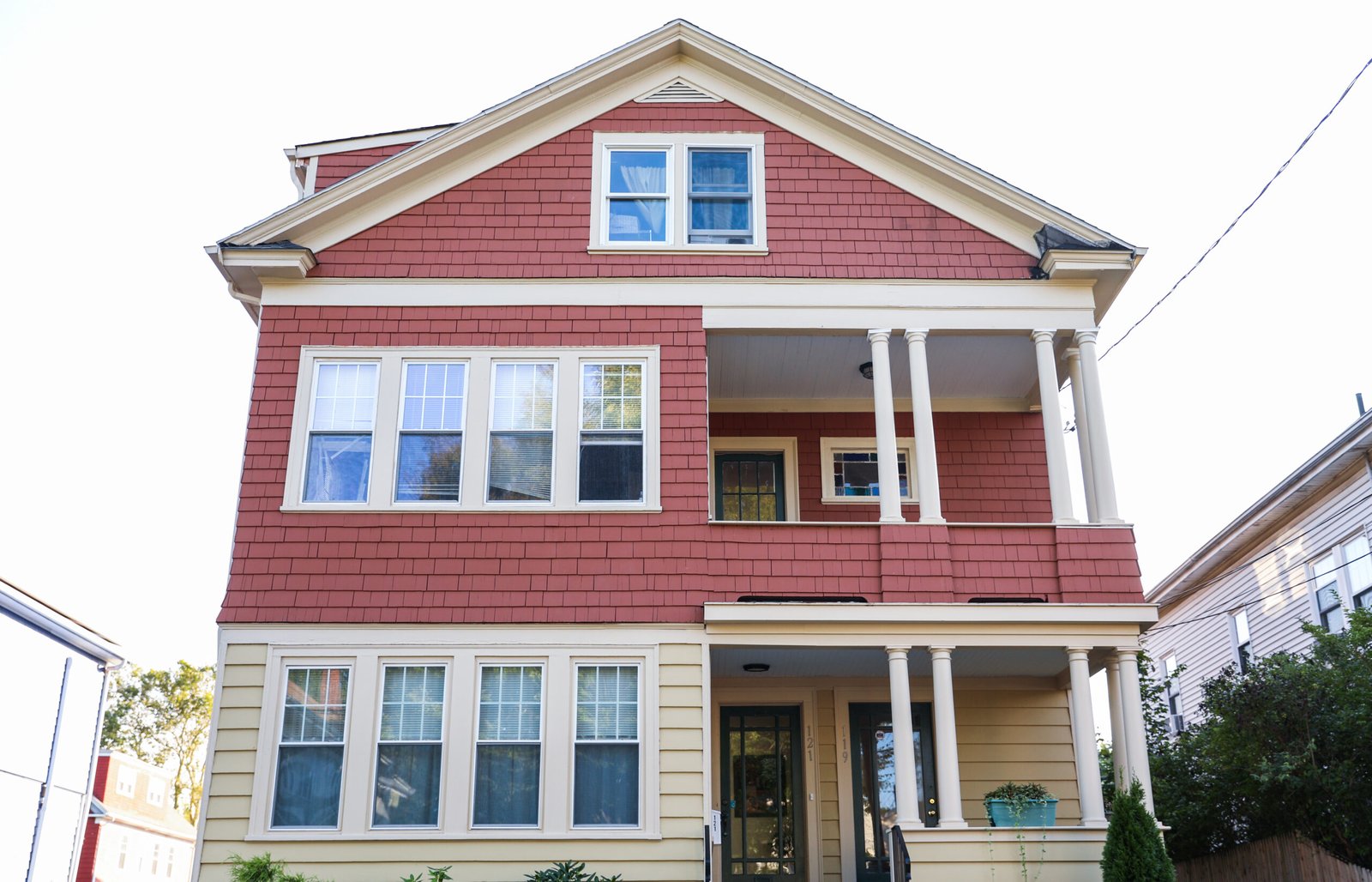
Plywood Siding: A Practical Guide to Performance, Costs, and Installation
Plywood siding has been used on homes for decades because it offers an attractive balance of affordability, structural strength, and design flexibility. But is it still a smart investment today? This FAQ answers the most common questions homeowners ask before installing plywood siding, helping you make a confident and informed decision.Frequently Asked Questions
What is plywood siding?
Plywood siding is an exterior cladding material made by bonding multiple thin layers of wood veneer together. Each layer is placed at a different grain direction, creating a strong and stable panel that resists cracking better than solid wood. It is commonly available in textured, grooved, and smooth finishes to suit different architectural styles.Quick Summary
- ✓ Engineered from multiple wood veneer layers
- ✓ Strong and lightweight
- ✓ Suitable for residential exterior walls
Why do homeowners choose plywood siding?
Many homeowners appreciate plywood siding because it delivers the appearance of natural wood at a lower cost than many premium siding materials. Its main advantages include:- Affordable installation costs
- Good structural strength
- Easy cutting and installation
- Paint and stain compatibility
- Wide variety of textures and finishes
Does plywood siding require regular maintenance?
Yes. Like most natural wood products, plywood siding performs best when properly maintained. Regular painting or staining protects the surface from moisture, UV exposure, and weathering. Routine inspections also help identify small repairs before they become expensive problems.Quick SummaryInspect your siding annually and refresh protective coatings every few years, depending on local climate and product recommendations.
Is plywood siding durable?
Yes—when installed correctly and protected from prolonged moisture exposure. High-quality plywood siding can provide decades of service with appropriate maintenance. Durability depends on several factors:- Proper installation
- Quality sealants and paint
- Good drainage and flashing
- Regular maintenance
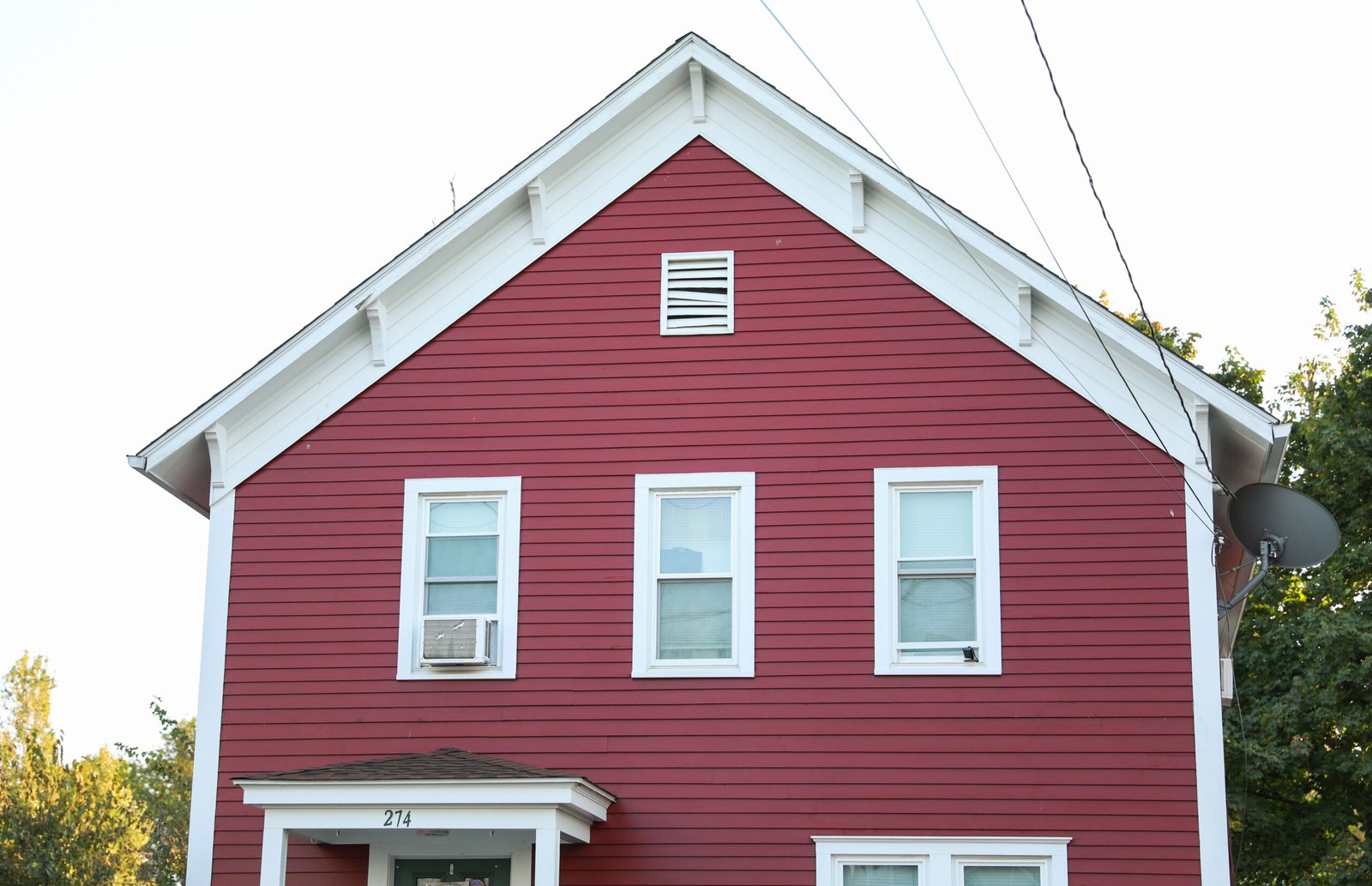
How does plywood siding compare to vinyl or fiber cement?
Plywood siding offers a more natural appearance than vinyl and generally costs less than fiber cement. However, it requires more maintenance because wood must be protected against moisture.| Feature | Plywood | Vinyl | Fiber Cement |
|---|---|---|---|
| Appearance | Natural wood look | Synthetic | Wood-like texture |
| Maintenance | Moderate | Low | Low to Moderate |
| Cost | Lower | Moderate | Higher |
| Durability | High with maintenance | High | Excellent |
Can plywood siding improve home value?
It can. Fresh, properly maintained siding enhances curb appeal and protects the home’s exterior structure. While premium materials may provide a higher long-term return in some markets, quality plywood siding remains an attractive option for homeowners seeking a balance between appearance and affordability.What installation practices are most important?
Professional installation plays a significant role in long-term performance. Recommended practices include:- Using galvanized or stainless-steel fasteners
- Leaving expansion gaps where recommended
- Priming exposed edges
- Installing proper flashing around windows and doors
- Maintaining clearance between siding and the ground
Quick SummaryMost siding failures result from moisture intrusion—not from the plywood itself.