Kitchen Cabinet Refinishing: The Luxe Upgrade You Didn’t Know You Needed
You walk into your kitchen every day, so it’s easy to stop noticing the little things. The cabinet doors have lost their luster, the wood tone feels dated, and a few scratches have become part of the scenery. Still, the cabinets open properly, the layout works, and the storage fits your routine—so does a full replacement really make sense? In many homes, the answer is no. Kitchen cabinet refinishing can dramatically update the room while preserving cabinetry that is still structurally sound. Instead of paying to demolish and rebuild a functional kitchen, you invest in the surfaces, colors, and details that shape how the space looks and feels.“Sometimes the kitchen you want is already there—it’s simply hidden beneath an outdated finish.”That’s what makes refinishing such an appealing option. It delivers a noticeable transformation without requiring months of construction, major layout changes, or the replacement of every cabinet box.
Why Refinishing Can Change the Entire Kitchen
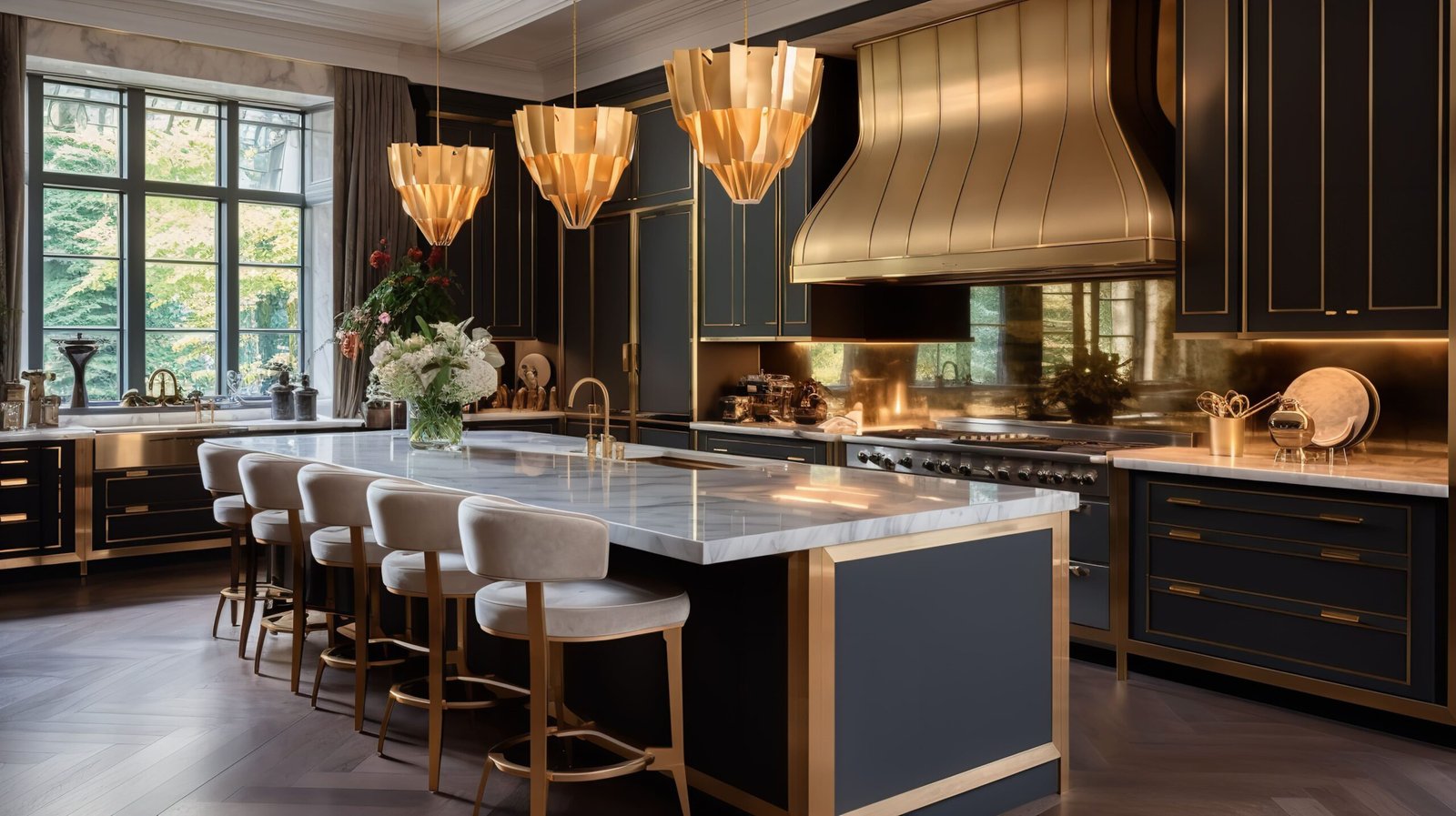
Cabinetry usually occupies more visual space than any other element in the kitchen. Change its color, sheen, or texture, and the countertops, backsplash, flooring, and lighting can suddenly appear different too. A darker wood kitchen can feel brighter with a warm white finish, while plain builder-grade cabinets can gain depth through muted green, charcoal, navy, or natural wood tones. Refinishing is not the same as applying a quick coat of household paint. A professional process typically involves removing doors and hardware, cleaning away grease, repairing minor damage, sanding or deglossing the existing surface, applying the correct primer, and building up a durable finish in controlled layers. Kitchen cabinet refinishing works especially well when:- The cabinet boxes are solid and securely installed.
- You are satisfied with the existing layout.
- The doors are not warped or seriously damaged.
- You want a significant style change without structural construction.
- Your budget is better spent on finishes, lighting, hardware, or countertops.
Quick TipTest cabinet colors vertically in your actual kitchen. A sample viewed flat on a table may look completely different once it reflects natural light, overhead lighting, countertops, and flooring.
Choosing a Finish That Will Still Look Good Years from Now
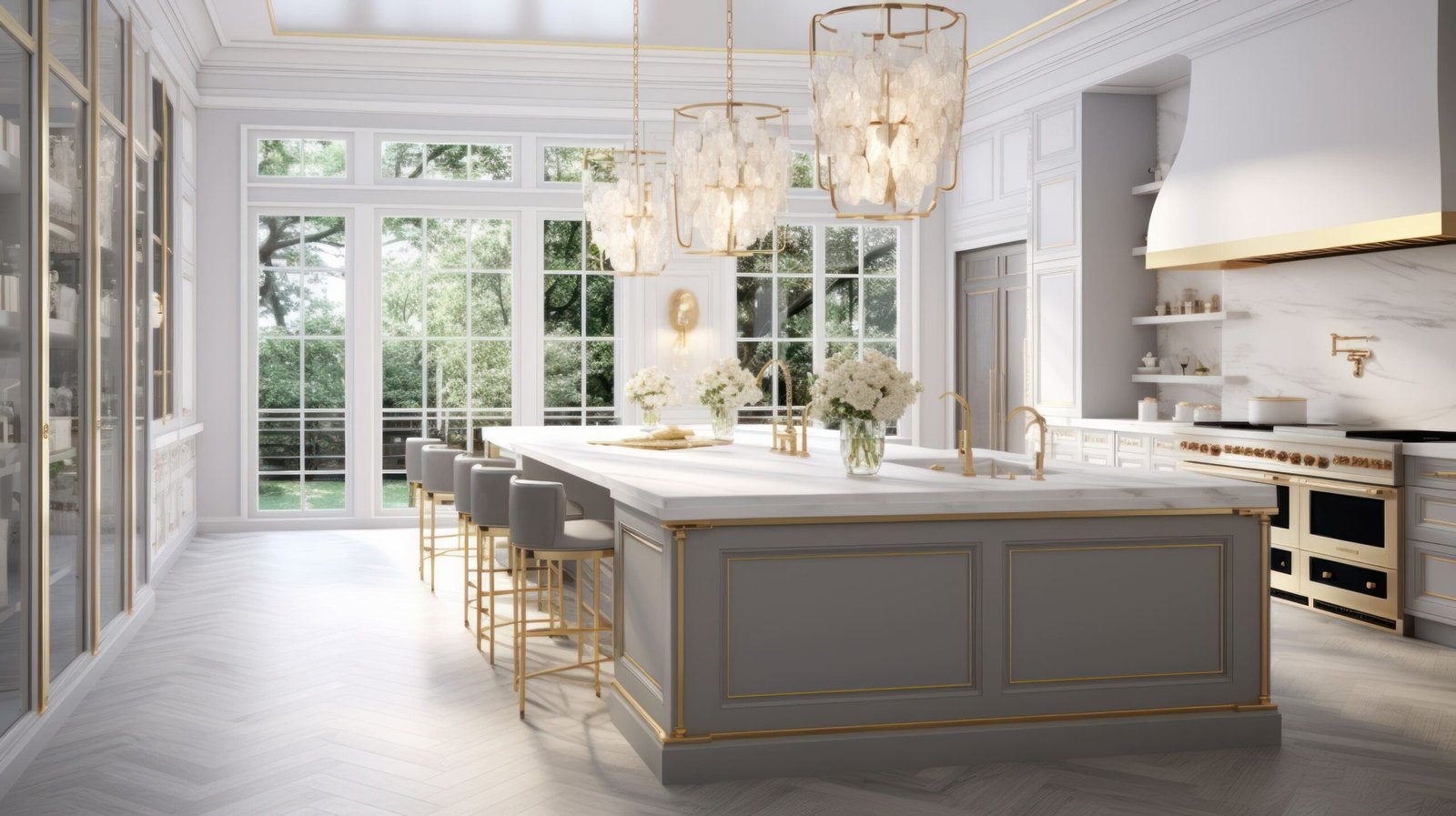
Color is often the most exciting decision, but durability matters just as much. Kitchens are exposed to heat, moisture, grease, fingerprints, and frequent cleaning. The finish must be compatible with the cabinet material and suitable for regular household use. Satin and low-sheen finishes are popular because they provide a smooth, sophisticated appearance without highlighting every fingerprint or surface imperfection. Matte finishes can look exceptionally modern, but they should still be formulated for cabinetry rather than ordinary interior walls. Think about how the new color will relate to the permanent features you plan to keep. A cool gray may clash with warm granite, while a creamy white can appear yellow beside a crisp white backsplash. Natural oak, soft greige, warm taupe, muted blue, and earthy green often coordinate well with a broad range of materials, but every kitchen has its own lighting and undertones. Before approving a finish, compare it with:- Countertop colors and veining
- Backsplash tile and grout
- Flooring undertones
- Wall paint
- Appliances and metal finishes
Cost, Timeline, and the Work Behind a Professional Result
Refinishing generally costs substantially less than replacing an entire cabinet system, but the final price depends on cabinet quantity, door style, material condition, finish type, repair needs, and local labor rates. Detailed doors, heavy grease buildup, failing coatings, and significant surface damage usually require additional preparation. Be cautious of estimates that seem unusually low. Most finish failures occur because preparation was rushed or skipped. Paint may initially look clean and fresh, then begin peeling around handles, bubbling near the sink, or wearing through on heavily used edges. A professional project commonly includes several stages:- Documenting and removing doors, drawers, and hardware
- Protecting countertops, flooring, appliances, and adjacent rooms
- Degreasing and repairing surfaces
- Sanding or chemically deglossing the original coating
- Applying a bonding primer and cabinet-grade finish
- Allowing adequate curing time
- Reinstalling and adjusting doors, drawers, and hardware
- Which preparation process will be used?
- What coating system is recommended for your cabinets?
- Will doors be sprayed in a controlled environment?
- How will the kitchen and ventilation system be protected?
- How long should the finish cure before normal use?
- Is workmanship coverage included?
When Refinishing Is Smart—and When Replacement Is Better
Refinishing is powerful, but it cannot solve every cabinet problem. It changes the exterior appearance; it does not correct a dysfunctional layout, increase cabinet depth, or repair boxes that are failing structurally. Replacement may be the better long-term decision when cabinets show substantial water damage, swelling, mold, broken joints, extensive warping, or poor-quality construction. It may also make more sense when you need to relocate appliances, change the kitchen footprint, remove walls, or substantially increase storage. In some homes, a hybrid approach provides the best value. Existing cabinets can be refinished while selected sections are modified or replaced. You might add a pantry cabinet, extend uppers to the ceiling, rebuild the island, or install new drawers in high-use areas while preserving the rest of the system. Choose refinishing when you want to preserve:- A functional layout
- Strong cabinet boxes
- Quality original woodworking
- Your remodeling budget
- A shorter and less disruptive project